6.0 The Concepts of “Explainable”, “Unexplainable” and “Unexplained” Variation
It should be intuitively obvious given the formulation of the problem using rational subgroups, that some of the variation in the performance measurement Y observed “across” the rational subgroups is due to causes of variation occurring “within” the rational subgroups. But the variation observed across the rational subgroups is also due to any assignable causes associated with the effects of the process design conditions or production times used to define the rational subgroups. This idea leads to the concepts of “unexplainable”, “explainable” and “unexplained” causes of variation.
6.1 The “Explainable” Causes of Variation
The assignable causes of variation create nonrandom patterns of variation across the rational subgroups that are “explainable” in the context of the application, but they are being masked by the variation occurring within the rational subgroups. This is illustrated in Figure 6-1 where the solid arrows indicate the possibility that assignable causes are at work in the direction of the arrows.
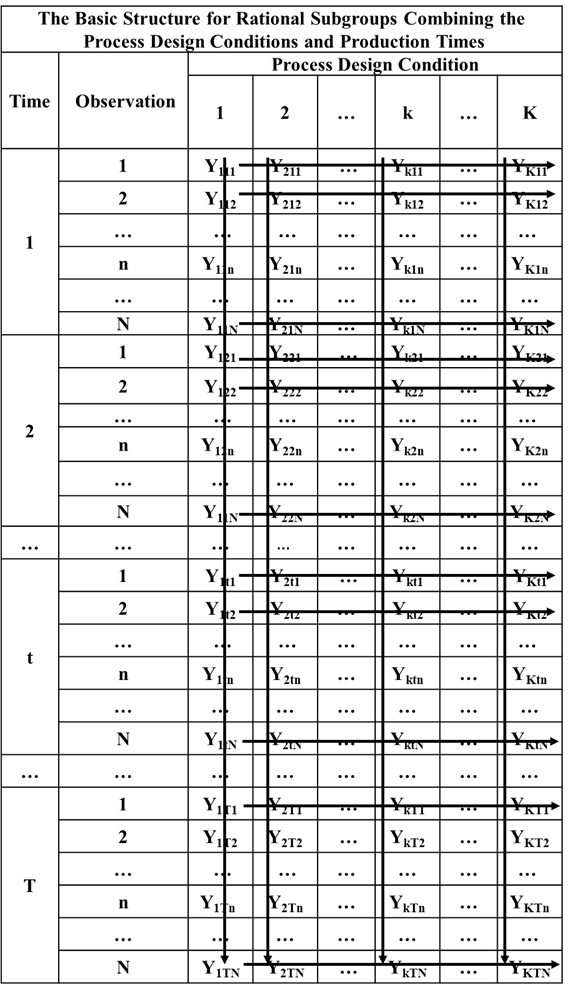
Figure 6-1. Explainable Variation Across the Rational Subgroups
6.2 The “Unexplainable” Causes of Variation
Common causes of variation create random variation in the performance measurement across the units of analysis within the rational subgroups. This variation from unit to unit is completely “unexplainable” although the corporate behavior of a group of common causes can be described by a statistical distribution.
6.3 The “Unexplained” Causes of Variation
While it is clear that some of the variation within the rational subgroups is due to common causes there may also be additional assignable causes active within the subgroups due to:
unknown or ignored factors involved with the design of the process
unknown production time effects not captured by the unit of time used in the problem formulation
fleeting, ephemeral assignable causes of variation.
While the common causes produce “unexplainable” random variation in the performance measurement, these additional assignable causes within the rational subgroups produce nonrandom variation that is difficult, if not impossible, to observe. In addition, these assignable causes have no known explanation in the context of the current formulation of the problem. If there were additional known process design factors that might be affecting the variation within the rational subgroups, or if there was a more suitable unit of time capturing production time effects within the rational subgroups, then the rational subgroups would be further subdivided based on that information. Therefore, all that can logically be said about the variation occurring within each of the rational subgroups is that it may be a combination of common and assignable causes of variation that are “unexplained” based on the current problem formulation. This is illustrated in Figure 6-2 by the arrow and question mark for the ktth rational subgroup.
Many statistical analysis methodologies are based implicitly or explicitly on the use of rational subgrouping structures. But most of these methodologies are based on the assumption that the variation occurring within the rational subgroups is due solely to unexplainable, common causes that produce random variation that can be described by a statistical distribution.[27] This assumption, however, does not always capture the reality of the nature of the “unexplained” causes of variation affecting the observed data within the rational subgroups as the previous discussion illustrates.
The goal of the problem formulation is to create the rational subgroups in such a way that, to the greatest extent possible, only common causes of variation are at work within the rational subgroups, and the important assignable causes associated with the process design conditions and production time are active across the rational subgroups. But it must be recognized that this might not have been achieved.
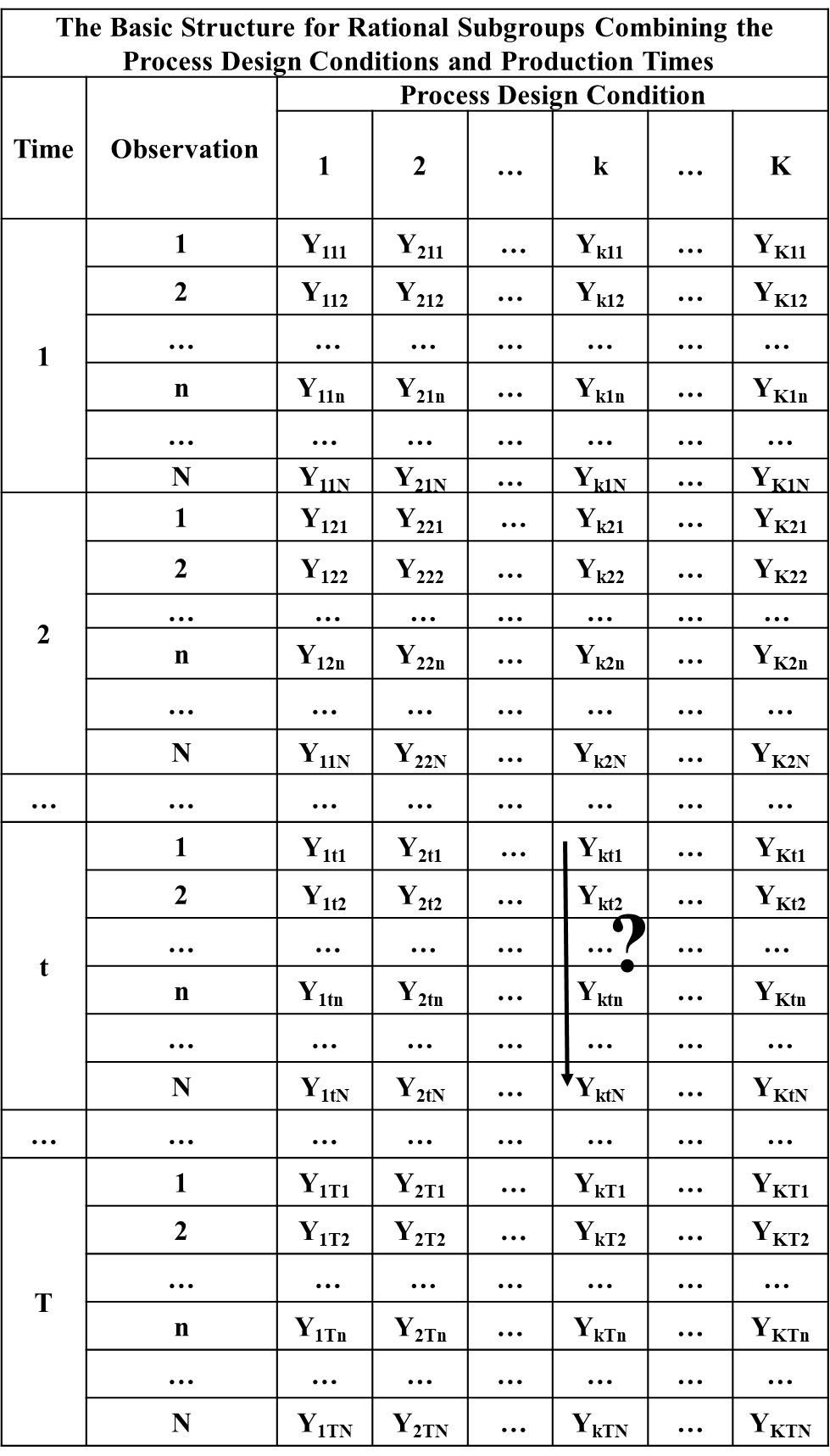
Figure 6-2. The Variation within the Rational Subgroups is Unexplained
In summary, once the problem formulation is complete there are potentially three scenarios related to the causes of variation affecting the performance measurement.
Assignable causes associated with the process design conditions or production time identified in the problem formulation create explainable, nonrandom variation in the performance measurement across the rational subgroups.
Only common causes of variation are creating unexplainable, random variation in the performance measurement within the rational subgroups.
A combination of common causes, and ignored or unknown assignable causes, are creating the variation observed within the rational subgroups.
6.4 Why Problem Formulation is So Important
Recognition of the possibility that the variation within the rational subgroups may be affected by unexplained assignable causes of variation supports the claim that rigorous problem formulation is critical to analytic practice. The more rigorous the problem formulation, the more likely it is that the practically significant assignable causes associated with the process design conditions or production time have been identified and removed from within the rational subgroups and placed across the rational subgroups. This, in turn, increases the likelihood that a more complete understanding of the effects of the process design and production time effects is achieved, and the causes of variation occurring within the rational subgroups more closely approximate common causes of variation. This also increases the sensitivity of the analyses because it minimizes the range of unexplained variation or “noise” within the rational subgroups.
In many cases the exact form of the density function f is also assumed to be known – often claimed to be the normal distribution.